
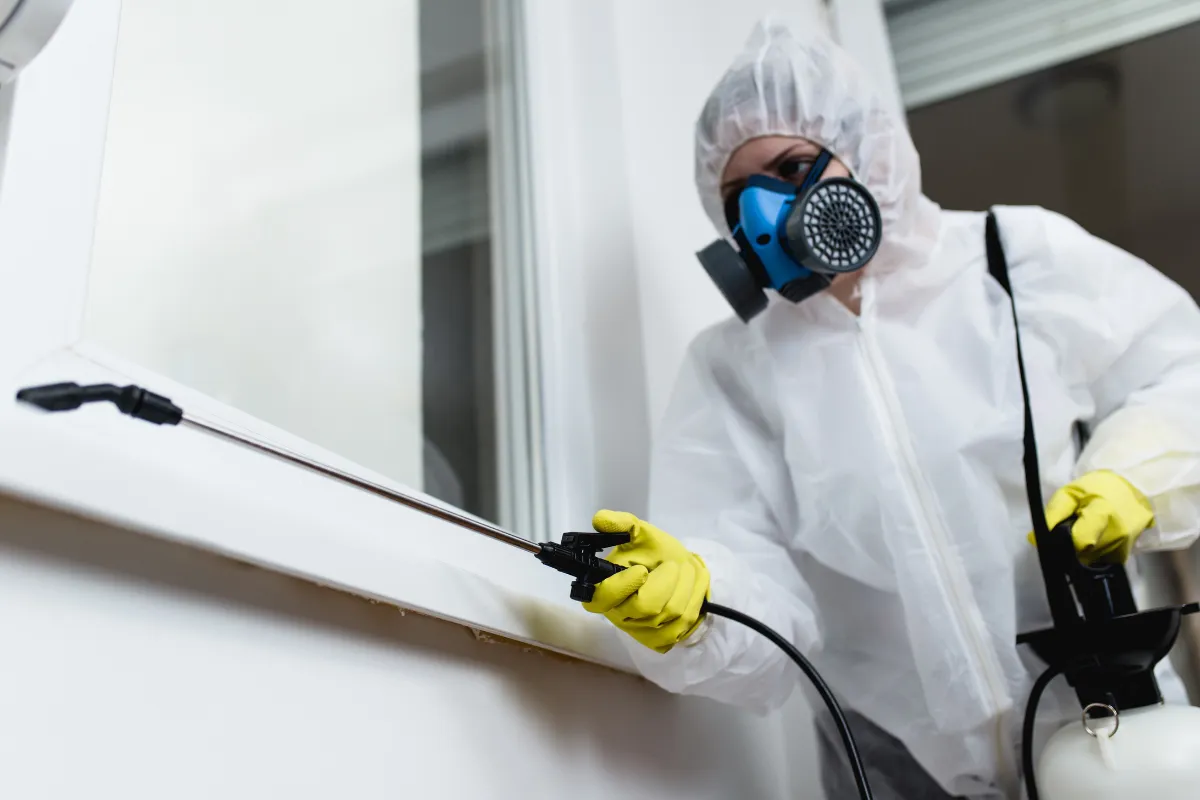
When homeowners discover ants in the kitchen, termites in the crawl space, or wasps building a nest near the front door, they usually don’t spend hours researching pest control companies. They pull out their phone, search for “pest control near me,” and call one of the first businesses they find.
If your company isn’t appearing in those local search results, you’re missing out on some of the highest-intent leads available.
Many pest control business owners assume they simply need a better website or more reviews to improve their rankings. While those factors certainly help, local SEO is much more complex. Small mistakes can quietly limit your visibility, even if you’re providing outstanding service.
Let’s look at some of the biggest local SEO mistakes that prevent pest control companies from ranking, and more importantly, what you can do to fix them.
Ignoring Your Google Business Profile

Your Google Business Profile is often the first thing potential customers see when they search for local pest control services. It’s also one of Google’s strongest local ranking signals.
Unfortunately, many businesses either leave their profiles incomplete or rarely update them. Some of the most common issues include:
- Missing business hours
- Incorrect phone numbers
- Outdated service areas
- Few or no photos
- Missing service descriptions
- Unanswered customer questions
An incomplete profile can make your business look neglected to both Google and potential customers. Regularly adding new photos, updating your services and business information, and publishing posts signals that your company is active, trustworthy, and ready to serve customers.
Inconsistent Business Information Across the Web
One of the most common local SEO problems involves inconsistent business information. Your business name, address, and phone number (often called NAP information) should appear exactly the same everywhere online.
Even small differences can create confusion. For example, ABC Pest Control vs. ABC Pest Control LLC, Suite #4 vs. Ste. 4, or even different phone numbers listed on different directories.
Google cross-checks your business information across the web to verify that it’s accurate. If it finds conflicting addresses, phone numbers, or business names, it may have less confidence in your listing, which can hurt your local rankings. Periodically reviewing your listings on major directories helps keep your information consistent and your local SEO on track.
Choosing the Wrong Business Categories

Many pest control companies don’t give much thought to their Google Business Profile categories, but they’re one of the strongest signals Google uses to understand what your business does.
Your primary category has a direct impact on the searches your business is eligible to appear in. Choosing a category that’s too broad (or adding secondary categories that don’t accurately reflect your services) can make it harder for Google to connect your business with the right customers.
If you specialize in services like termite control, mosquito treatments, wildlife removal, or commercial pest management, be sure those offerings are represented in your profile whenever appropriate. The more accurately your profile reflects your business, the better Google can match you with homeowners searching for the services you provide.
Neglecting Customer Reviews
Customer reviews influence both your local rankings and your ability to win new customers.
Rather than asking for reviews only occasionally, make it part of your regular customer service process.
A steady stream of authentic reviews signals to Google that your business is active and trusted, while responding to both positive and negative feedback shows prospective customers that you value their experience.
Creating Thin or Generic Website Content

Many pest control websites are surprisingly thin. They have a homepage, an About page, a Services page, and a Contact page…and that’s about it.
While that gives potential customers the basics, it rarely gives Google enough content to understand the full scope of your expertise.
Instead of relying on a single, catch-all “Pest Control Services” page, create dedicated pages for the services you offer, such as:
- Ant control
- Bed bug treatments
- Termite inspections
- Rodent removal
- Mosquito control
- Wildlife exclusion
These pages allow you to target more specific search terms while answering the questions homeowners are already asking. The more helpful and comprehensive your content is, the more opportunities Google has to connect your business with people searching for exactly those services.
Forgetting to Optimize for Local Keywords
It’s tempting to target broad keywords like “pest control,” but so is every other company in the country. Those searches are highly competitive and don’t always attract the customers you’re trying to reach.
Local keywords are often far more valuable because they connect you with people looking for services in your area. Instead of focusing only on general terms, optimize your website for searches like:
- Pest control in Raleigh
- Termite treatment in Charlotte
- Exterminator near Plano
- Mosquito control in Tampa
Including location-specific keywords throughout your website helps Google understand where you do business, making it more likely to show your company to homeowners searching in the cities and counties you serve.
Not Creating Individual Service Area Pages
If your pest control company serves multiple cities, don’t make the mistake of listing them all on a single page and calling it a day.
Creating dedicated location pages gives you a much better chance of ranking in each market you serve. Just be sure each page offers unique, valuable content, not the same copy with a different city name plugged in.
Include information about the services you provide, the pests commonly found in that area, and what makes your company the right choice for local homeowners. Done well, these location pages often become some of the strongest drivers of local search traffic and qualified leads.
Ignoring Mobile User Experience
Most homeowners searching for a pest control company are doing it from their phones, often while they’re dealing with an active pest problem. If your website loads slowly, is difficult to navigate, or makes it hard to call your business, many visitors will move on to the next company.
Your mobile site should make it effortless to:
- Call your office
- Request an inspection
- View your service areas
- Read customer reviews
- Get directions
In addition to creating a better customer experience, a fast, mobile-friendly website can also improve your local search visibility and help turn more visitors into paying customers.
Overlooking Local Backlinks
Not all backlinks are created equal. When it comes to local SEO, a handful of high-quality, locally relevant links can do far more for your rankings than dozens of low-value ones.
Some of the most valuable backlinks come from trusted sources in your community, including:
- Chambers of commerce
- Community organizations
- Local business associations
- Sponsorships
- Local news outlets
- Industry organizations
These links signal to Google that your business is established, reputable, and actively involved in the communities you serve, all of which can help strengthen your local search rankings.
Local SEO Rewards Consistency
One of the biggest local SEO mistakes is expecting overnight results. Unlike paid ads, local SEO takes time as Google recognizes new content, fresh reviews, and ongoing improvements.
The businesses that rise to the top are the ones that consistently get the fundamentals right: maintaining an optimized Google Business Profile, keeping business information accurate, earning reviews, and publishing helpful local content.
If your pest control company isn’t ranking where you’d like, there’s a good chance one or more of these areas is holding you back.
At IronChess SEO, we help pest control companies identify those gaps and build customized SEO strategies that improve local rankings, attract more qualified leads, and drive long-term growth. Contact us to learn how we can help your business get found by more homeowners.
